
CLASSIFICATION OF OLIVE OILS
What are virgin olive oils?
Virgin olive oils are oils obtained from the fruit of the olive tree (Olea europaea L.) solely by mechanical or other physical procedures under conditions, especially thermal, that do not alter the oil, and which have not undergone any treatment other than washing, decanting, centrifuging and filtering.
Virgin olive oils suitable for consumption in the form in which they are obtained include virgin olive oil, extra virgin olive oil, ordinary virgin olive oil, refined olive oil, olive pomace oil and refined olive pomace oil.
Olive oils that are not suitable for consumption, due to the way they are obtained, are lampante virgin olive oil and crude olive pomace oil, both destined for refining industries.
Organoleptic characteristics of olive oil
| OLIVE OILS | OLIVE POMACE OIL | |||
| EXTRA VIRGIN | VIRGIN | OLIVE | ||
| Free acidity | ≤0,8 | ≤2 | ≤1 | ≤1 |
| Peroxides | ≤20 | ≤20 | ≤15 | ≤15 |
| Absorbance K270 | ≤0,22 | ≤0,25 | ≤0,90 | ≤1,70 |
| Absorbance K232 | ≤2,50 | ≥2,60 | – | – |
| Median defect | =0 | >0 y ≤2,5 | – | – |
| Median fruitiness | >0 | >0 | – | – |
| Tasting panel score | ≥6,5 | ≥5,5 | – | – |
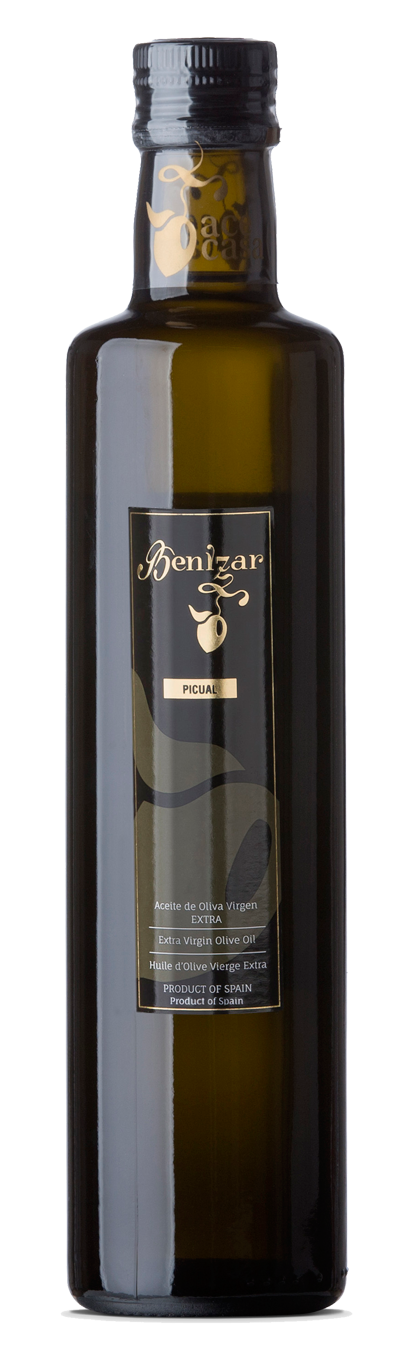
Extra Virgin Olive Oil
Virgin olive oil whose free acidity expressed as oleic acid is at most 0.8 grams and whose other characteristics correspond to those provided for this category in the IOC Commercial Standard.
Ordinary Virgin Olive Oil
Virgin olive oil with a free acidity, expressed as oleic acid, of no more than 3.3 grams per 100 grams, and whose other characteristics correspond to those established for this category in the IOC Commercial Standard. This oil may only be sold directly to the consumer if permitted in the country of retail sale. The designation of this type of virgin olive oil will comply with the legal provisions of the country.
Olive oil
virgin olive oils suitable for consumption as obtained. Free acidity, expressed as oleic acid, is a maximum of 1 gram per 100 grams, and its other characteristics correspond to those established for this category in the IOC Commercial Standard. The country of retail sale may require a more precise designation.
Virgin Olive Oil
Virgin olive oil whose acidity, expressed as oleic acid, is at most 2 grams per 100 grams and whose other characteristics correspond to those set for this category in the IOC Commercial Standard.
Refined Olive Oil
Obtained from virgin olive oils using refining techniques that do not alter the initial glycerol structure. Free acidity, expressed as oleic acid, is a maximum of 0.3 grams per 100 grams, and its other characteristics comply with the IOC Commercial Standard for this category. It may only be sold to consumers if permitted in the country of retail sale.
Lampante Virgin Olive Oil
Not suitable for consumption in its original form. Free acidity, expressed as oleic acid, exceeding 3.3 grams per 100 grams and/or whose characteristics correspond to those established for this category in the IOC Commercial Standard. Intended for refining industries or technical uses.
Organoleptic characteristics of olive oil
It is the oil obtained by treating olive pomace with solvents or by other physical processes, excluding oils obtained by re-esterification and any mixture with oils of a different nature.
It shall be marketed under the following names and definitions:
Raw Olive Pomace Oil
This is oil whose characteristics correspond to those established for this category in the IOC Commercial Standard. It is intended for refining human consumption or technical uses.
Refined Olive Pomace Oil
Obtained from crude olive pomace oil using refining techniques that do not alter the initial glyceride structure. Its free acidity, expressed as oleic acid, is a maximum of 0.3 grams per 100 grams, and its other characteristics comply with the IOC Commercial Standard for this category. This product may only be sold directly to the consumer if permitted in the country of retail sale.
Olive Pomace Oil
Composed of a mixture of refined olive pomace oil and virgin olive oil suitable for consumption as obtained. Its free acidity, expressed as oleic acid, is a maximum of 1 gram per 100 grams, and all its characteristics correspond to those established for this category in the IOC Commercial Standard. This mixture may not under any circumstances be called “olive oil.”

