
BULK
ARBEQUINA | ARBOSANA | KORONEIKI | SIKITITA | PICUAL | CORNICABRA | GORDAL DE HELLÍN | LECHÍN DE GRANADA | BLANQUETA
ARBOSANA
| Mono/Polyunsaturated ratio | 7.57 |
| Polyphenols ( ppm caffeic acid) | |
| Bitterness (K225) | 0,124 |
| Stability (hours at 98.8 ºC ) | |
| Fatty acids (%) | |
| Palmitic (C 16:0) | 13,97 |
| Palmitoleic | 1,53 |
| Stearic (C 18:0) | 1,83 |
| Oleic (C 18:1) | 71,78 |
| Linoleic (C 18:2) | 9,28 |
| Linolenic ( 18:3 ) |
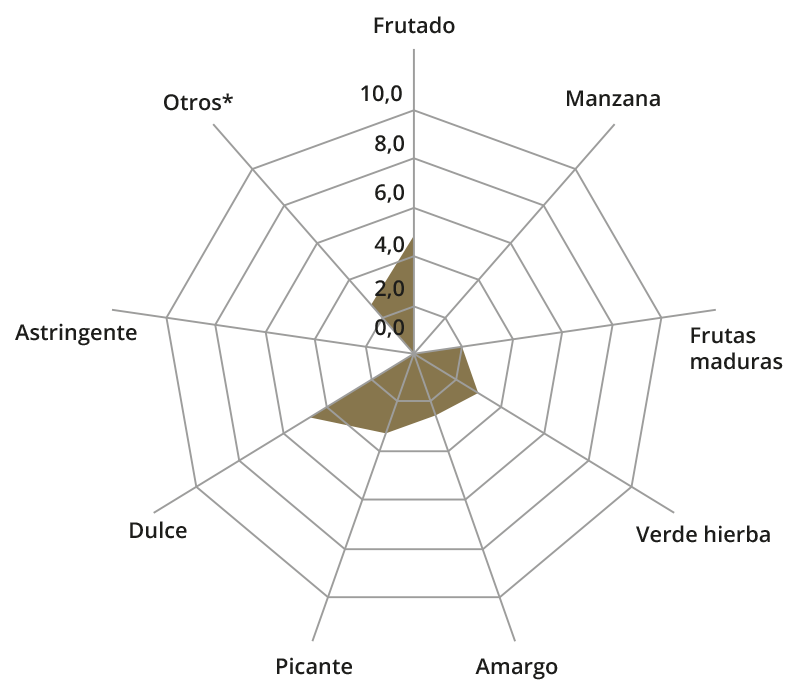
Profile:
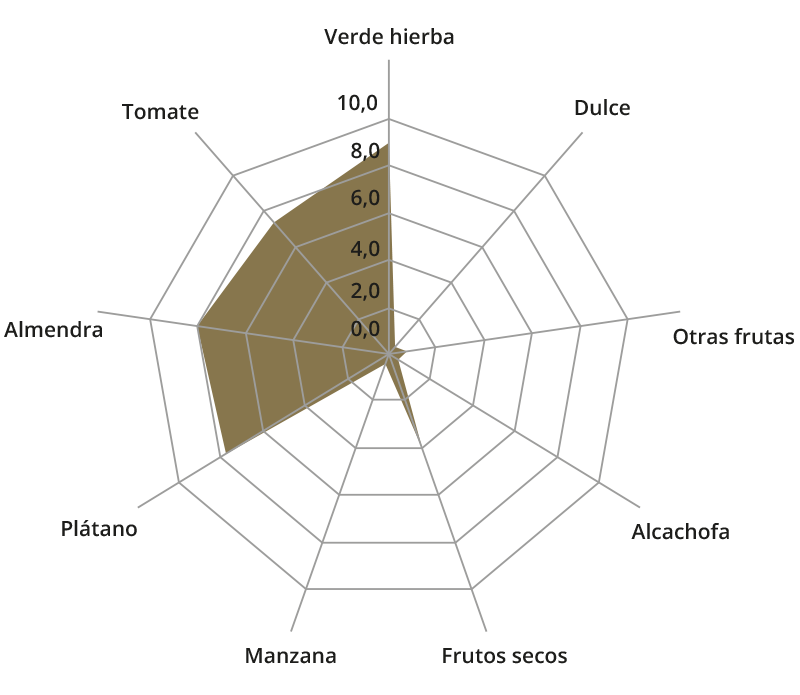
Arbequina olive oil is characterized by its fluidity and extraordinary fragrance. It is a very fruity oil with a light apple flavor, green and herbaceous notes, very little bitterness or spiciness, and a sweet taste. It is a smooth and very fluid oil on the palate, with specific attributes of green almond, almond, and the flavor of freshly cut grass.
Regarding its acid composition, it has a medium-low content of oleic acid and a high level of polyunsaturated fatty acids that give it its characteristic fluidity.
It has a medium content of vitamin E ( α -tocopherol) and low total polyphenols, which gives its oils a smooth and sweet flavor. The resistance to rancidity of oils from the “Arbequina” variety can be considered medium-low.
ARBOSANA
| Mono/Polyunsaturated ratio | 10,23 |
| Polyphenols ( ppm caffeic acid) | |
| Bitterness (K225) | 0,289 |
| Stability (hours at 98.8 ºC ) 15,79 | |
| Fatty acids (%) | |
| Palmitic (C 16:0) | 13,4 |
| Palmitoleic (C 16:1) | 1,44 |
| Stearic (C 18:0) | 2,14 |
| Oleic (C 18:1) | 74,28 |
| Linoleic (C 18:2) | 6,88 |
| Linolenic ( 18:3 ) | 0,58 |
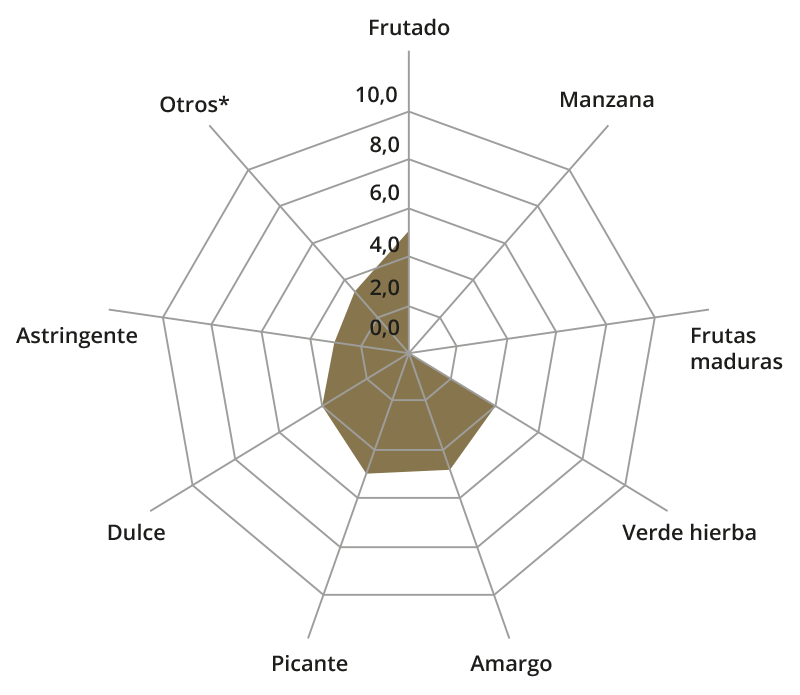
Profile:
This is a green oil with a strong character, good aromatic harmony, and high levels of bitterness, spiciness, and astringency. It has a persistent finish.
KORONEIKI
| Mono/Polyunsaturated ratio | 10,32 |
| Polyphenols ( ppm caffeic acid) | 384 |
| Bitterness (K225) | 0,237 |
| Stability (hours at 98.8 ºC ) | 12,8 |
| Fatty acids (%) | |
| Palmitic (C 16:0) | 11,61 |
| Palmitoleic (C 16:1) | 0,83 |
| Stearic (C 18:0) | 2,67 |
| Oleic (C 18:1) | 76,31 |
| Linoleic (C 18:2) | 6,92 |
| Linolenic ( 18:3 ) | 0,58 |
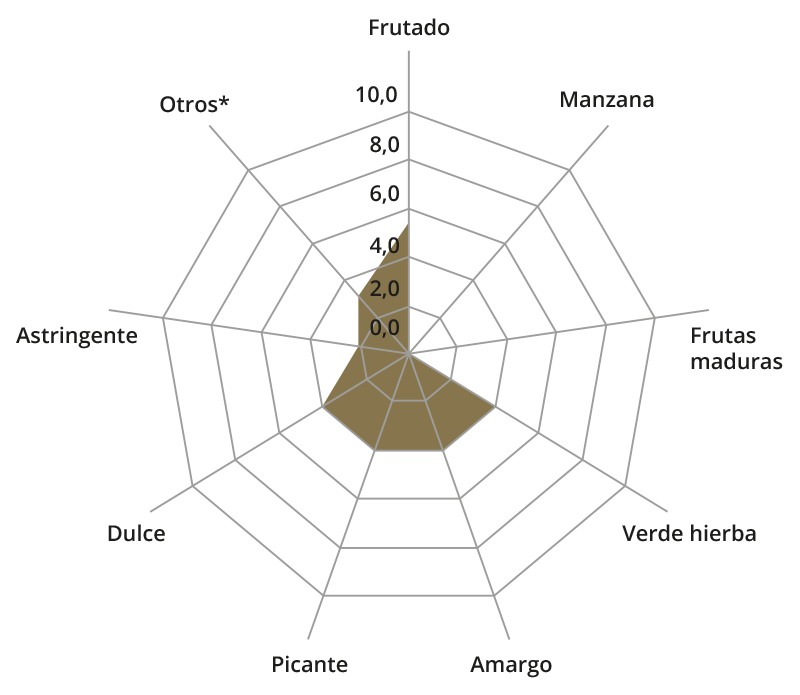
Profile:
It is a green oil, very complex and highly stable. Persistent and with high astringency. Characteristic dark green color.
SIKITITA
| Monounsaturated/Polyunsaturated Ratio | 4,64 |
| Polyphenols ( ppm caffeic acid) | 323 |
| Bitterness (K225) | 0,172 |
| Stability (hours at 98.8 ºC ) | 6,99 |
| Fatty acids (%) | |
| Palmitic (C 16:0) | 16,69 |
| Palmitoleic (C 16:1) | 2,09 |
| Stearic (C 18:0) | 1,66 |
| Oleico (C 18:1) | 64,21 |
| Linoleic (C 18:2) | 13,55 |
| Linolenic ( 18:3 ) | 0,82 |
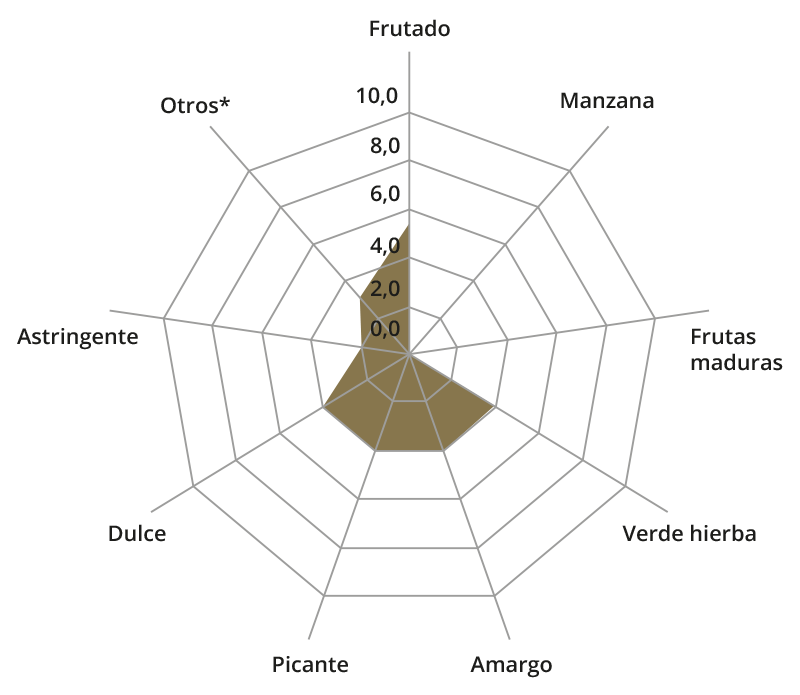
Profile:
This is a sweet oil with an intense fruitiness and low levels of bitterness and spiciness. It is a smooth, very fluid, and well-balanced oil on the palate .
PICUAL
| Monounsaturated/Polyunsaturated Ratio | |
| Polyphenols ( ppm caffeic acid) | 496 |
| Bitterness (K225) | 0,31 |
| Stability (hours at 98.8 ºC ) | 119 |
| Fatty acids (%) | |
| Palmitic (C 16:0) | 10,87 |
| Palmitoleic (C 16:1) | 1,40 |
| Stearic (C 18:0) | 3,26 |
| Oleic (C 18:1) | 78,10 |
| Linoleic (C 18:2) | 4,64 |
| Linolenic ( 18:3 ) | 0,65 |
Profile:
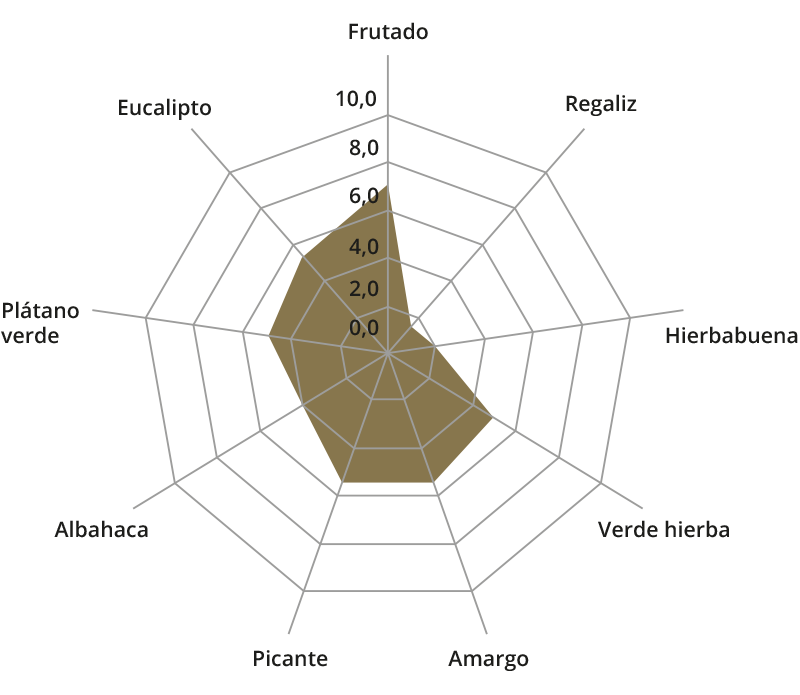
Picual olive oil has a strong personality, presenting specific sensory nuances that make it easily identifiable among other varietal oils. It is a fruity, fragrant oil with positive bitter, spicy, and astringent attributes that soften over time. Its distinctive characteristics include notes of fig and fresh wood, which give it a unique character.
Its composition is characterized by a high content of oleic acid, a monounsaturated acid of high nutritional interest, a low content of linoleic acid and a medium content of palmitic acid.
Its Vitamin E content is medium. It has a medium-high content of total polyphenols, giving it a distinctive sensory character, with somewhat marked bitter and spicy attributes.
Its excellent acid composition, combined with its content of natural antioxidants, polyphenols and tocopherols, essentially, gives the oil of the “Picual” variety a very high stability against rancidity.
CORNICABRA
| Monounsaturated/Polyunsaturated Ratio | |
| Polyphenols ( ppm caffeic acid) | 488 |
| Bitterness (K225) | 0,377 |
| Stability (hours at 98.8 ºC ) | 107 |
| Fatty acids (%) | |
| Palmitic (C 16:0) | 11,37 |
| Palmitoleic (C 16:1) | |
| Stearic (C 18:0) | |
| Oleic (C 18:1) | 77,10 |
| Linoleic (C 18:2) | 4,45 |
| Linolenic (18:3) | 0,73 |
Profile:
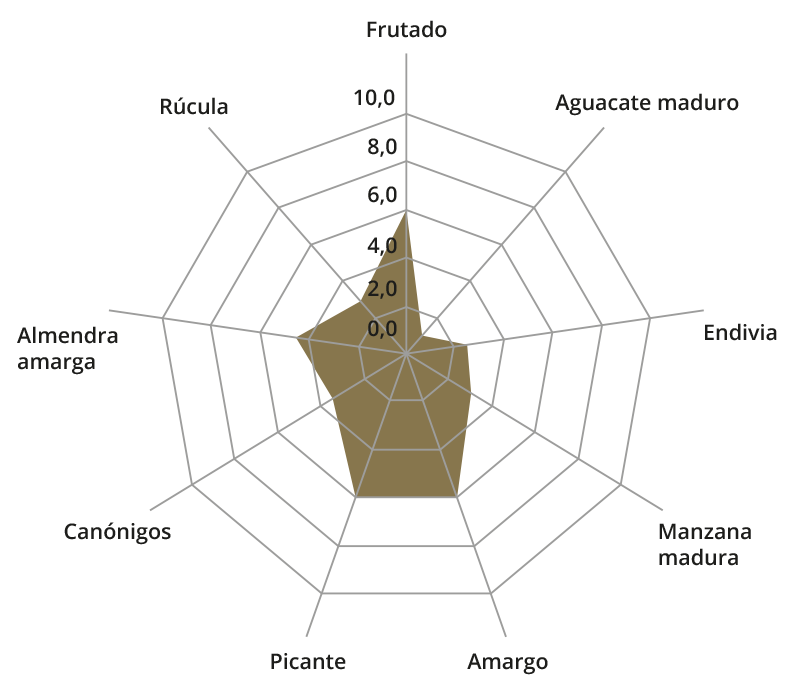
The oil from the “Cornicabra” variety has distinctive sensory characteristics with a subtle personality, making it receptive to blending. It is a fruity and fragrant oil with soft green, bitter, and spicy notes. It is slightly astringent and smooth on the palate, with a light almond flavor.
Its oils are characterized by a high content of oleic acid, a monounsaturated fatty acid of high nutritional interest, a low content of linoleic acid and a medium content of palmitic acid.
The vitamin E content is medium. It has a good total polyphenol content, which gives the oil a green fragrance and flavor.
The oil of the “Cornicabra” variety has a stability against rancidity, comparable only to the oil of “Picual”, although the latter is somewhat more stable.
GORDAL FROM HELLÍN
| Monounsaturated/Polyunsaturated Ratio | |
| Polyphenols (ppm caffeic acid) | |
| Bitterness (K225) | 0,27 |
| Stability (hours at 98.8 ºC ) | 93 |
| Fatty acids (%) | |
| Palmitic (C 16:0) | 16,49 |
| Palmitoleic (C 16:1) | 1,48 |
| Stearic (C 18:0) | 1,72 |
| Oleic (C 18:1) | 69,09 |
| Linoleic (C 18:2) | 9,16 |
| Linolenic ( 18:3 ) | 1,69 |
Profile:
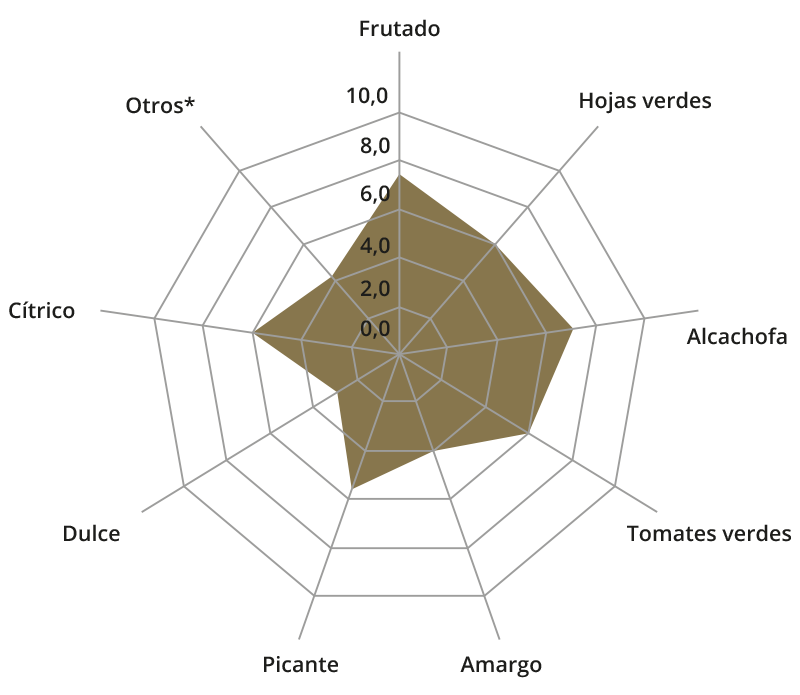
A unique and singular variety worldwide, our Extra Virgin Olive Oil offers an exclusive benchmark in the international market: Benizal . Its extraordinary aroma of artichoke and green tomato provides a singular pleasure to the senses of taste and smell. Our own Benizal olive grove guarantees the production of this unique golden liquid, thanks to the meticulous care we take of the olive trees and the olives themselves.
The sensory description of Benizal (or Benizar ) is complemented by the presence of intense aromas of green olive leaves, rounded out with soft, balanced citrus notes, resulting in a bitter and peppery finish. This variety boasts a unique antioxidant with a high level of nutritional and therapeutic value. Benizal or Benizar is recommended for use in raw foods, salads, and with white fish and vegetables.
LECHIN FROM GRANADA
| Monounsaturated/Polyunsaturated Ratio | 8,48 |
| Polyphenols (ppm caffeic acid) | 575 |
| Bitterness (K225) | 0,310 |
| Stability (hours at 120 ºC ) | 15,35 |
| Acidos grasos (%) | |
| Palmiticio (C 16:0) | 13,10 |
| Palmitoleic (C 16:1) | 0,99 |
| Stearic (C 18:0) | 2,23 |
| Oleic (C 18:1) | 73,87 |
| Linoleic (C 18:2) | 8,13 |
| Linolenic (18:3) | 0,75 |
Profile:
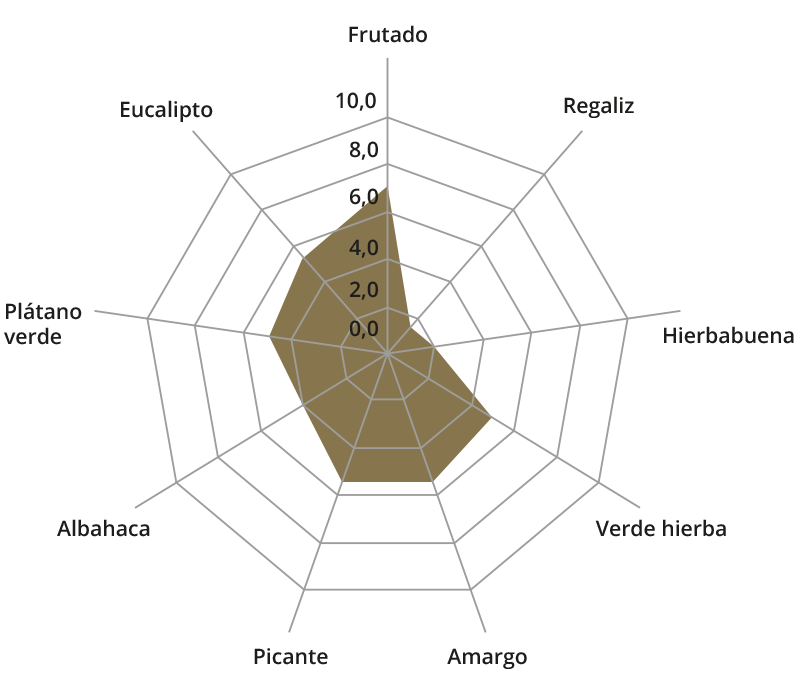
This is a green, intensely fruity oil. Balanced and persistent on the palate. It features a predominance of fresh green notes of leaves, grass, and artichoke, combined with sweet and ripe nuances of spices and aromatic herbs.
BLANQUETA
| Monounsaturated/Polyunsaturated Ratio | |
| Polyphenols ( ppm caffeic acid) | 322 |
| Bitterness (K225) | 0,35 |
| Stability (hours at 98.8 ºC ) | 27,1 |
| Fatty acids (%) | |
| Palmitic (C 16:0) | 13,84 |
| Palmitoleic (C 16:1) | 1,19 |
| Stearic (C 18:0) | 1,96 |
| Oleic (C 18:1) | 56,91 |
| Linoleic (C 18:2) | 15,89 |
| Linolenic (18:3) | 0,36 |
Profile:
The oil from the “Blanqueta” variety is characterized by its fluidity, intense fruitiness, and pleasant fragrance. It is a very fruity oil with a light apple flavor, a slightly herbaceous green note, a touch of bitterness, and a peppery finish. Its smooth mouthfeel, along with a slight astringency and its characteristic almond flavor with hints of fig and wood, clearly defines the sensory profile of this oil.
The oleic acid content and high level of polyunsaturated fatty acids in its oils give it its characteristic fluidity.
It has a medium content of vitamin E and also a medium content of total polyphenols, which gives its oils fluidity and a fruity flavor. The resistance to rancidity of the “Blanqueta” variety oils can be considered low.
BY-PRODUCTS
BONE | LEAF | OLIVE POMACE
BONE
In the olive oil extraction process, a byproduct called olive pomace is generated . From this product, we extract the crushed olive pits using wet pitting machines, which separate them from the other components and dry them, considerably reducing the initial moisture content of the pits.
The percentage by weight of the pit in the total weight of the olives received at the mill varies depending on the water conditions during cultivation and the average weight of the olives. This percentage can range from 15 to 25% of the total weight of olives processed at the mill.
Olive pits are an excellent fuel for use in biomass boilers, as they are a renewable energy source and offer significant savings on energy bills. The carbon dioxide emitted during combustion is the same carbon dioxide absorbed by the olive tree during its growing cycle, whereas fossil fuels increase atmospheric CO2 levels.
Comparing the lower calorific value (LHV) of olive pits (4.70 kWh /kg) and heating oil (9.95 kWh /liter), and considering the indicative prices of olive pits (€0.06/kg) and heating oil (€0.90/liter), the following unit costs are obtained:
- Bone: €0.0127/ kWh
- Diesel : €0.0906/ kWh.
Comparing both values, the Kwh of calorific value of olive pits is approximately €0.07/ Kwh cheaper than the Kwh of heating oil.
SHEET
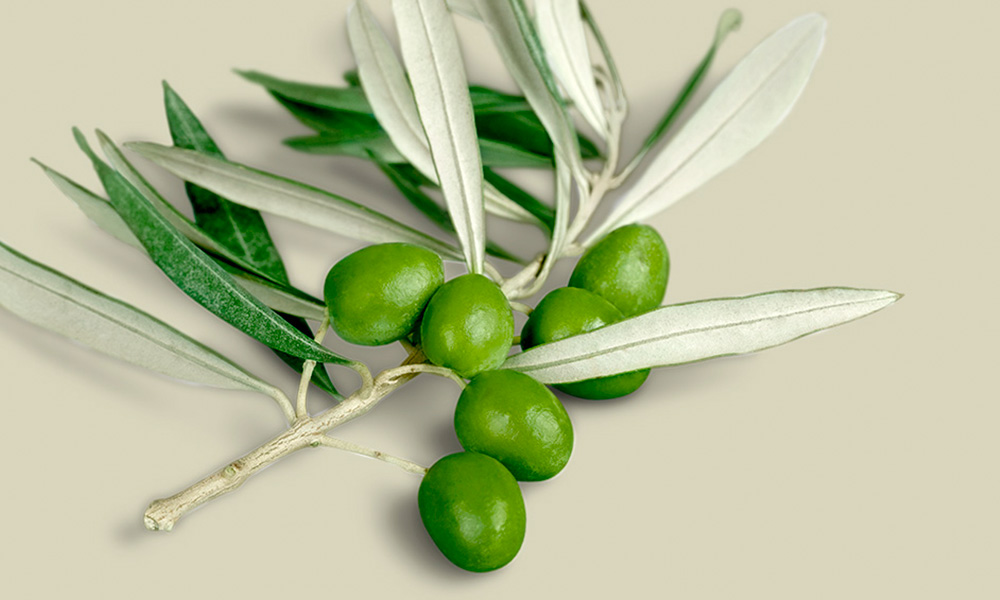
The remains of leaves and fine branches, material called “hojín” , are generated as a result of cleaning the olive before processing it in the olive mills (using a cleaner).
Hojín has traditionally been used for animal feed, and more recently, to produce compost along with other organic waste.
Currently, its use in biomass-fired power plants is increasing, although its moisture content, around 40%, poses a drawback for its energy use. Its calorific value is approximately 4,378 kcal/kg of dry matter.
ALPERUJO
Olive pomace is the byproduct obtained during the milling and centrifugation of olives in the olive oil extraction process at the mill, using the two-phase technique. This byproduct consists of a mixture of the different parts of the olive and residual oil, after the oil has been separated from the other olive components by centrifugation.
It has a solid part, the pomace, and a liquid part, the olive mill wastewater, which can be separated for use or used directly.
Most of the olive pomace generated in the olive mill is used as raw material in the extraction plants for obtaining olive pomace oil
The use of olive pomace, It can also be used in animal feed, for which amendments are recommended depending on the type of livestock being fed and the nutritional deficiencies of the feed to which the olive pomace will be added. Studies and pilot projects are currently underway to add value to this olive grove byproduct. Another alternative to addressing the problem posed by olive pomace is its valorization through application as a fertilizer for agricultural soils. Recent studies have succeeded, with a certain type of microorganisms, in converting olive pomace into compost (natural fertilizer for the soil) through a fast, simple and optimal process.
Olive pomace, also known as olive pomace, is a byproduct generated in olive mills during the olive oil extraction process. As discussed in the previous section, the production of olive pomace depends on the phase separation system used.
Despite their differences, it is often called orujo interchangeably.
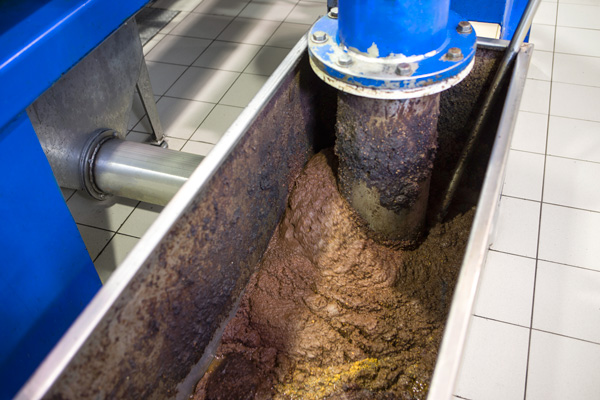
Most of the olive pomace produced in olive oil mills is used as a raw material in extractors to produce olive pomace oil; consequently, it cannot be regarded as a by-product available in the majority of olive oil mills. However, some of the olive pomace produced in Andalusia is used as fuel for electricity generation, after being processed (physical extraction of olive pomace oil) and dried to a moisture content of around 40 per cent (AAE, 2008).
Another alternative use for this by-product, which is currently on the rise, is composting it together with leaf litter and other organic waste. Applying this compost to the soil helps to improve its nutrient and organic matter content.
PACKAGING
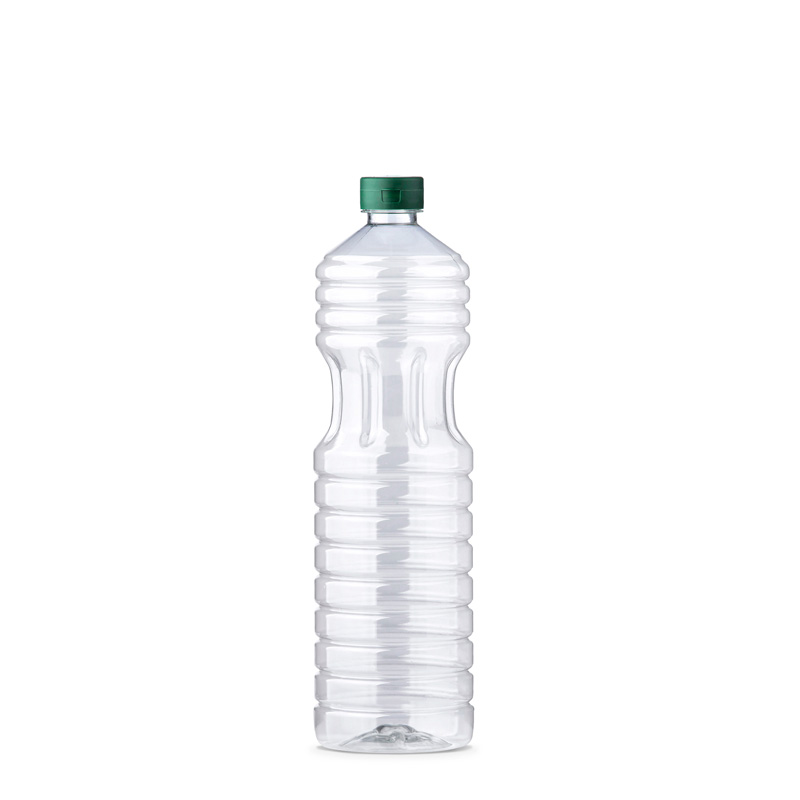


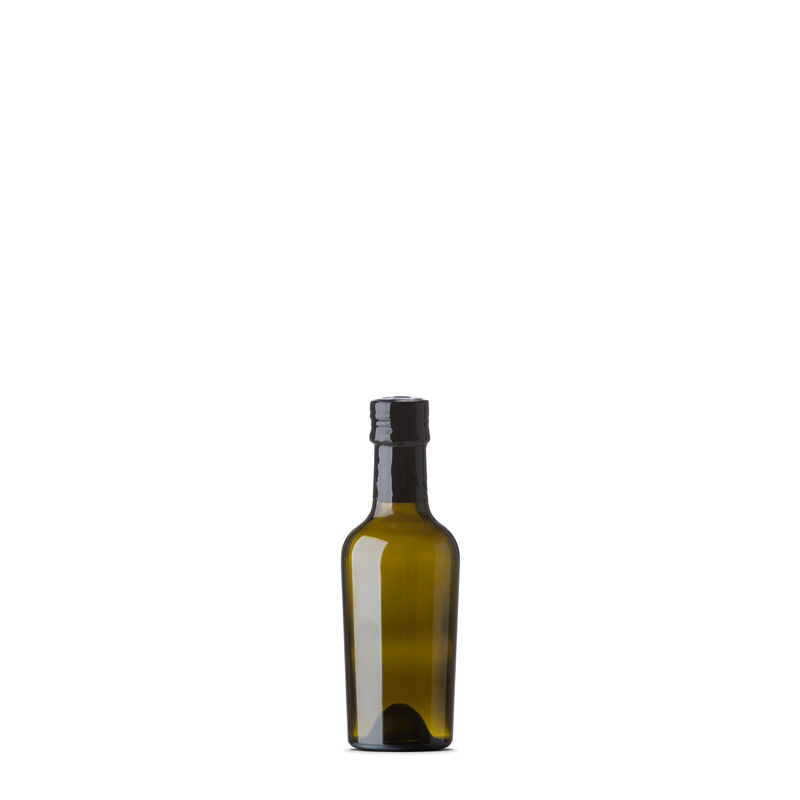
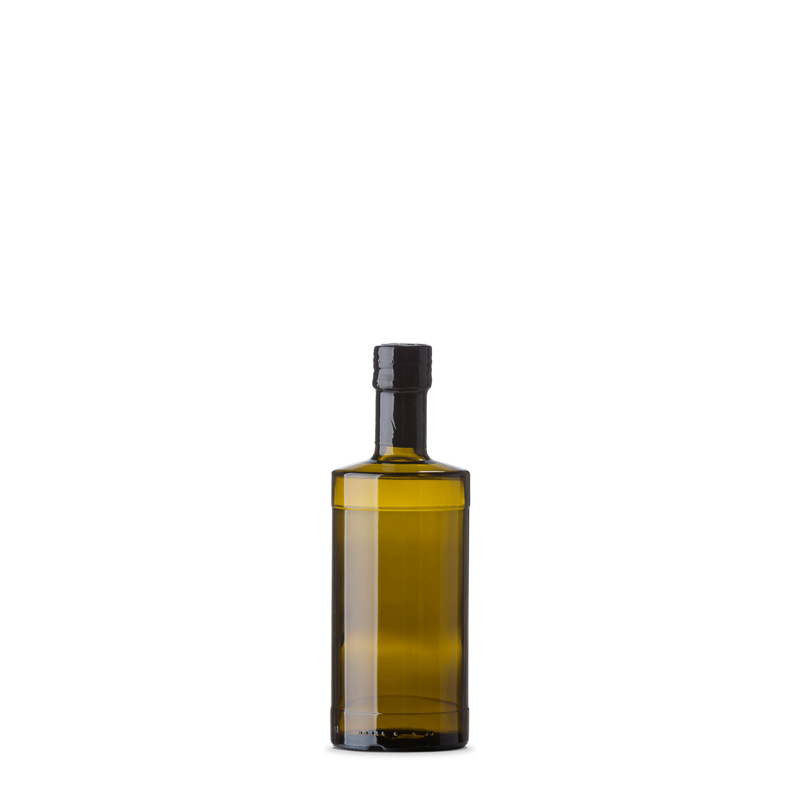
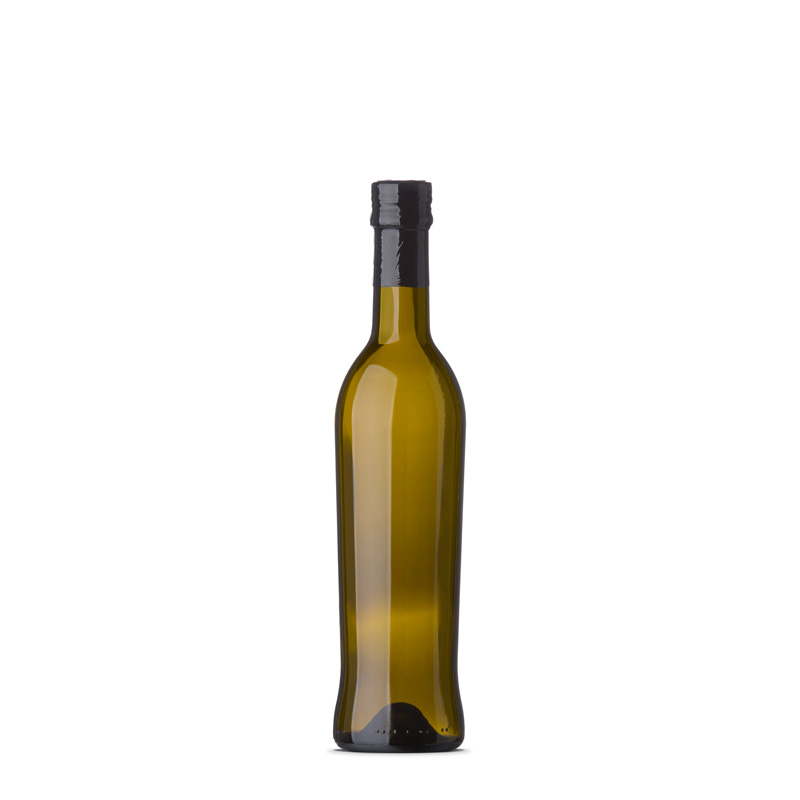
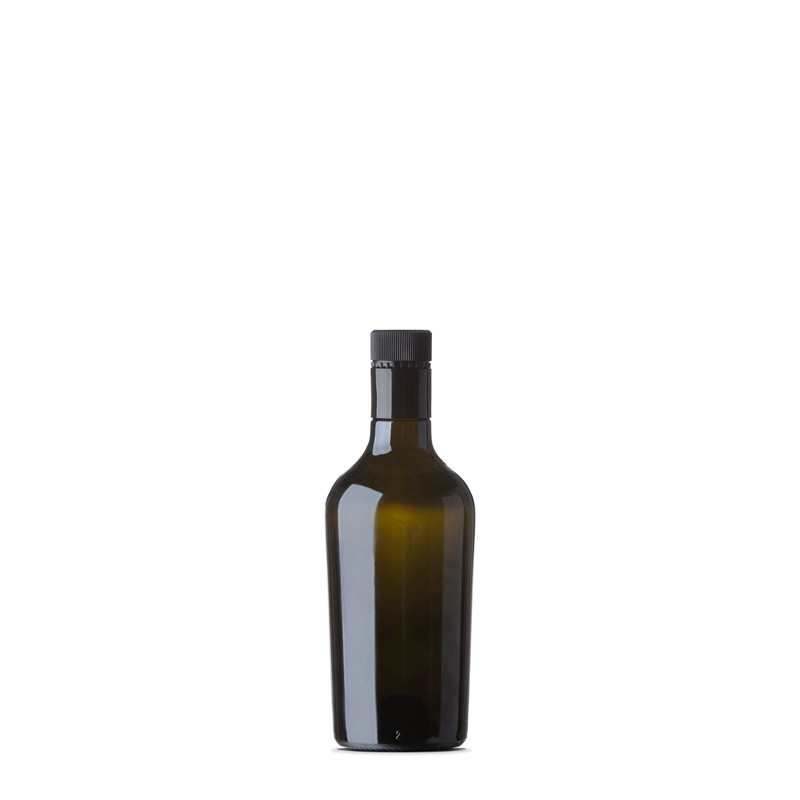
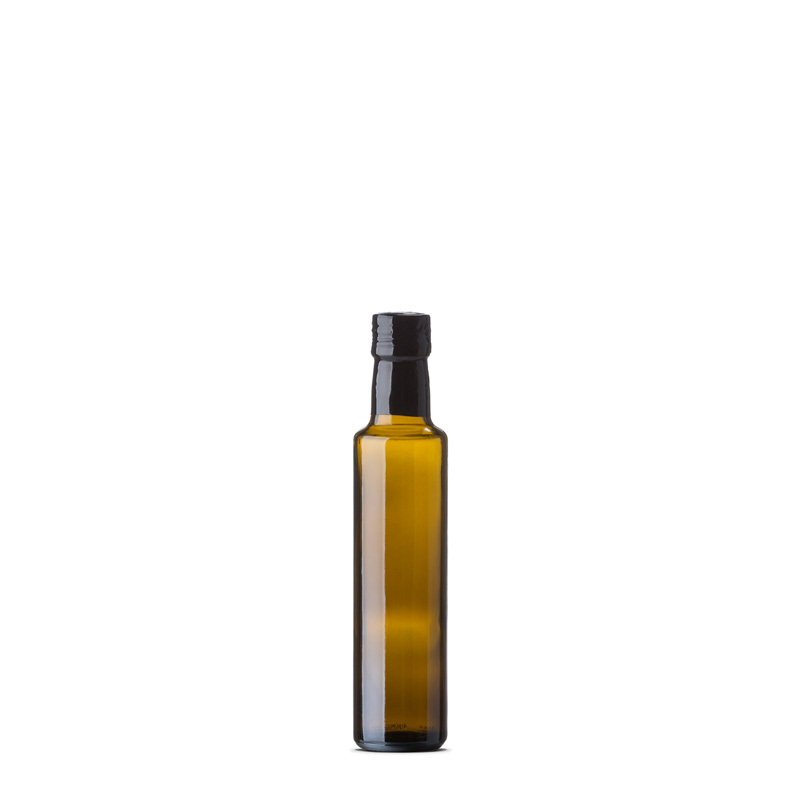
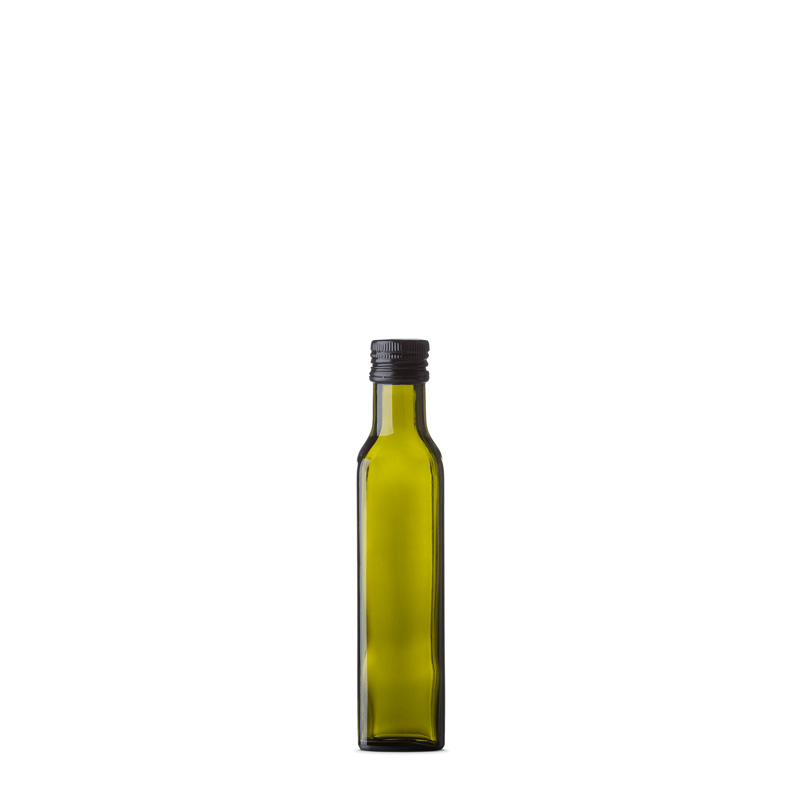
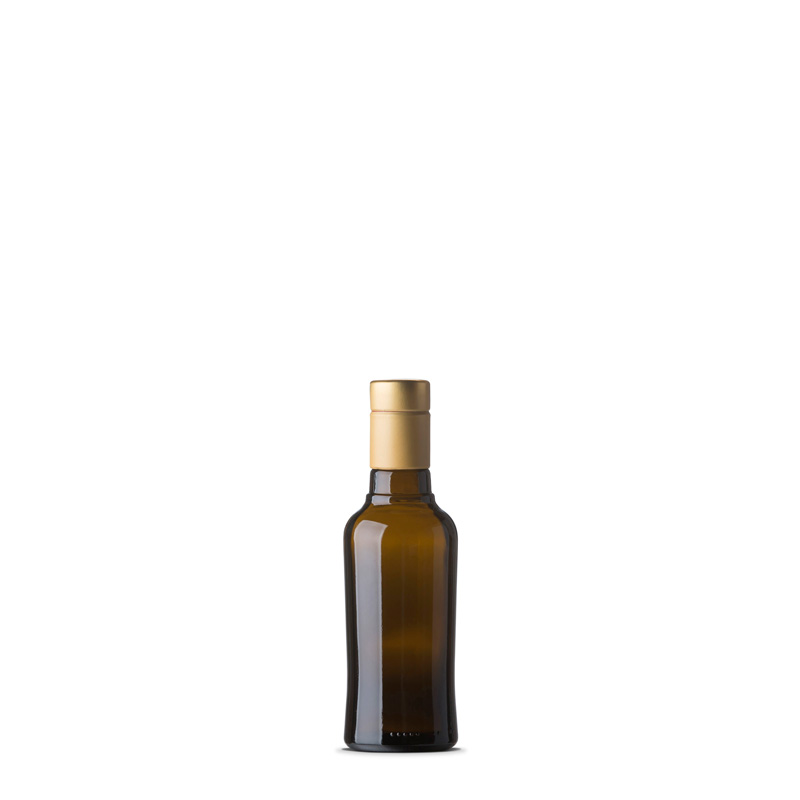
Al-Andalus 250ml
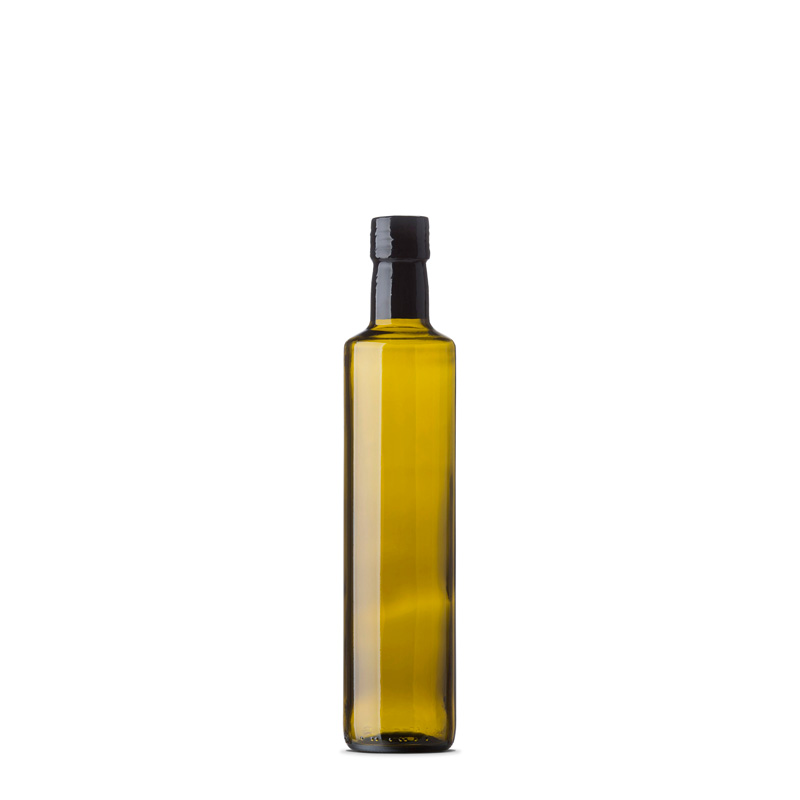
Dorica 500ml

Marasca 500ml
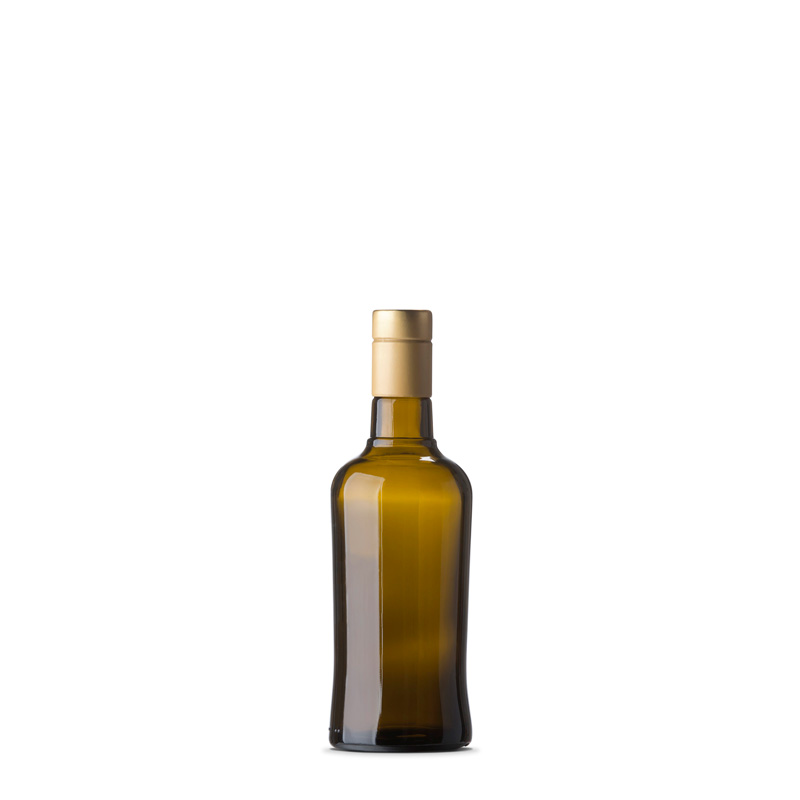
Al-Andalus 500ml

Dorica 750ml
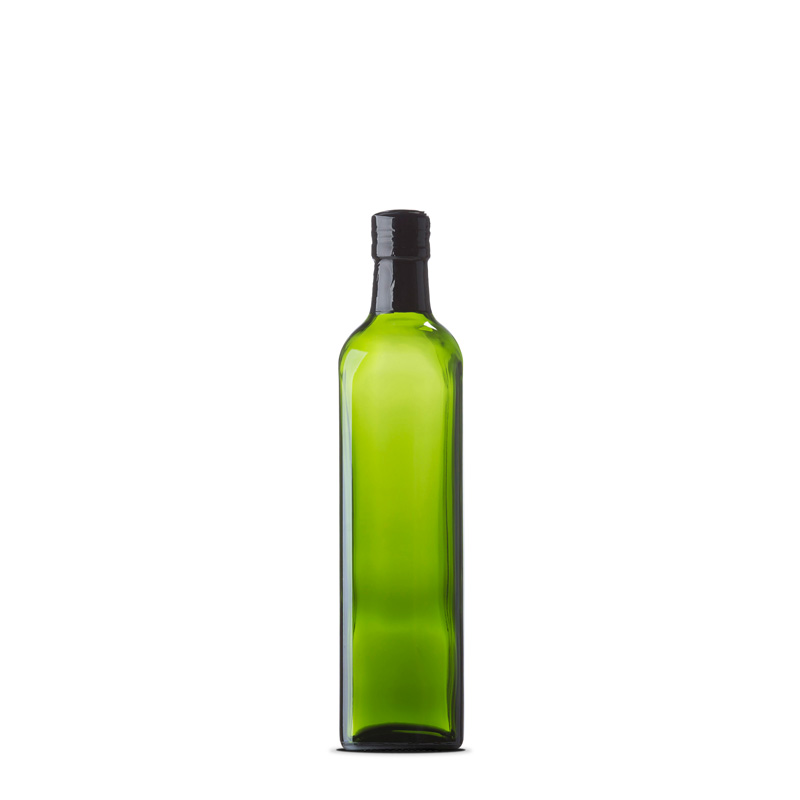
Marasca 750ml Oleo
TANKS